Secrets of Ancient Wisdom – A Deep Dive into Ayurveda
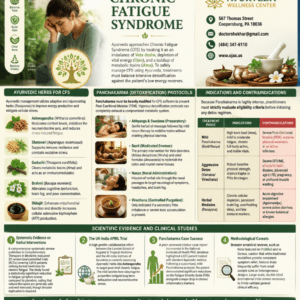
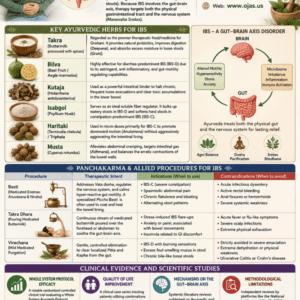
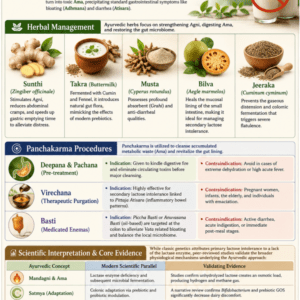
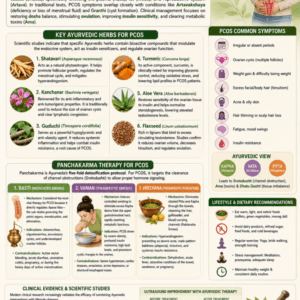
For over three decades, Prof. Vaidya, Dr. Shekhar Annambhotla, has been a global ambassador of Ayurveda, the ancient Indian system of holistic health and healing. Trained in India, Dr. Annambhotla has dedicated his life to practicing, teaching, and preserving the profound wisdom of Ayurveda since 1988. With an impressive list of credentials—B.A.M.S., M.D.-Ayurved, LMT, RAD, AD, DAM, ERYT-500, YACEP, BCIM, CRH, CPH, CEH—he stands as one of the foremost experts in the field, seamlessly blending traditional Ayurvedic knowledge with modern integrative approaches. In this interview, we explore the depths of Ayurveda’s timeless principles and their relevance in today’s fast-paced world. Dr. Annambhotla offers insights into the body-mind-spirit connection, the role of Ayurveda in preventing and treating diseases, and how we can integrate this ancient practice into modern healthcare. Join Mystic Mag as Prof. Vaidya shares his journey, experiences, and the transformative power of Ayurveda in fostering balance, health, and inner harmony. Could you share how your journey in Ayurveda began and what inspired you to pursue such an extensive and holistic path in traditional healing? My journey in Ayurveda began in 1963 in the small village of Tangutur, Prakasam District, Andhra Pradesh, South India. Inspired by my parents, I pursued Ayurvedic medicine and earned my BAMS (Bachelor of Ayurvedic Medicine and Surgery) degree from Dr. NRS Government Ayurvedic Medical College, Nagarjuna University, a comprehensive 5½-year program. I further advance my education with a Doctor of Ayurvedic Medicine (MD-Ayurved) from Gujarat Ayurved University, Jamnagar, completing a rigorous three-year course. My formal Ayurvedic education encompassed 9½ years of intensive theoretical and clinical training, including anatomy, physiology, pathology, pharmacology of herbs and minerals, formulation of Ayurvedic preparations, herbal research, forensic medicine, toxicology, laboratory examinations, gynecology, obstetrics, pediatrics, surgery, ENT disorders, eye disorders, general medicine, Panchakarma therapies, and clinical rotations in various specializations, along with biostatistics and thesis work on clinical case presentations. In 1994, I began my mission to share Ayurveda globally. Over the years, I have taught Ayurveda and provided health consultations across The Netherlands, Germany, Austria, Italy, France, Switzerland, Portugal, Spain, Belgium, Great Britain, Scotland, Ireland, Trinidad, Guadeloupe, Jamaica, Canada, and the USA. From 1994 to 2000, I conducted over 30,000 consultations and numerous educational programs for the public and integrative health professionals. This extensive international experience has deepened my appreciation for Ayurveda and its synergy with modern medical practices. As a Board-Certified Integrative Medicine practitioner, how do you see Ayurveda complementing modern medical practices, and where do you believe the greatest synergy lies? In 2010, I became a Board-Certified Integrative Medicine (BCIM) practitioner through the American Association of Integrative Medicine. I am convinced that Ayurveda can significantly enhance modern medical practices. Integrative approaches such as lifestyle medicine, breathing techniques, yoga asanas, mudras, bandhas, meditation, and Panchakarma therapies are invaluable in managing chronic diseases and restoring health and wellness. By combining Ayurvedic principles with yogic techniques, we can achieve lasting results that support the natural healing process. These Ayurvedic methods can be effectively integrated into conventional medical treatments for chronic non-communicable diseases, autoimmune disorders, metabolic disorders, and immunological conditions. Panchakarma is often considered the heart of Ayurvedic healing. Could you explain its significance in modern wellness and how it benefits individuals in today’s fast-paced world? Panchakarma is a traditional Ayurvedic detoxification and rejuvenation program that originated in India over 5,000 years ago. The term “Panchakarma” comes from the Sanskrit words “Pancha,” meaning five, and “Karma,” meaning actions. Panchakarma is a comprehensive approach that aims to: 1. Detoxify the mind and body 2. Balance the doshas (energies) 3. Restore physical and mental well-being 4. Enhance immunity 5. Promote overall health and longevity The five actions or procedures that make up Panchakarma are: 1. Vamana (emesis or induced vomiting) 2. Virechana (purgation or induced bowel movement) 3. Basti (enema or colon cleansing) 4. Nasya (nasal cleansing or sinus treatment) 5. Rakta Mokshana (blood purification or detoxification) Panchakarma typically involves a series of treatments and therapies, including massage, herbal remedies, and dietary changes, tailored to an individual’s specific needs and constitution. It’s often used to address various health concerns, such as: – Digestive issues – Skin problems – Stress and anxiety – Chronic fatigue – Immune system imbalances Panchakarma offers numerous benefits, including: 1. Detoxification: Removes toxins and impurities from the body, promoting overall health and well-being. 2. Balances doshas: Restores balance to the three energies (Vata, Pitta, Kapha) in the body, leading to improved physical and mental health. 3. Enhances immunity: Boosts the immune system, reducing the risk of illnesses and infections. 4. Reduces stress and anxiety: Promotes relaxation, calmness, and mental clarity. 5. Improves digestion: Enhances digestive health, reducing symptoms like bloating, constipation, and indigestion. 6. Skin health: Improves skin tone, reducing acne, eczema, and other skin issues. 7. Chronic disease management: Helps manage chronic conditions like diabetes, hypertension, and arthritis. 8. Rejuvenation: Increases energy, vitality, and overall sense of well-being. 9. Mental clarity and focus: Improves concentration, memory, and cognitive function. 10. Spiritual growth: Supports spiritual development and self-awareness. 11. Preventive healthcare: Prevents illnesses and promotes overall health and wellness. 12. Increases self-awareness: Helps understand individual constitution, habits, and lifestyle. Remember, Panchakarma should be done under the guidance of a qualified Ayurvedic practitioner for optimal benefits. Panchakarma is generally considered safe when performed under the guidance of a qualified Ayurvedic practitioner. However, some individuals may experience mild side effects, including: 1. Fatigue: Temporary fatigue or lethargy due to detoxification. 2. Dizziness or lightheadedness: Caused by internal cleansing and toxin release. 3. Nausea or vomiting: Mild nausea or vomiting during or after treatments. 4. Diarrhea or loose stools: Temporary digestive changes due to internal cleansing. 5. Headaches: Mild headaches or migraines during the detoxification process. 6. Muscle or joint pain: Temporary discomfort due to toxin release and cleansing. 7. Emotional changes: Mood swings, emotional releases, or heightened sensitivity. 8. Sleep disturbances: Temporary changes in sleep patterns. 9. Hunger or cravings: Changes in appetite or food cravings. 10. Skin breakouts: Temporary skin eruptions or breakouts due to toxin release. In rare cases, more serious
Self Massage Technique (Abhyanga)
PROCEDURE The self-massage only takes about 10-15 minutes. If you feel you don’t have that much time, you can start out just doing your head and your feet, which should only take about 3-4 minutes. Place a bottle of massage oil into a container of hot water to warm it. Lie quietly and breathe deeply for a few minutes before massage, while the massage oil is warming. It is best to place a towel underneath you during the massage to catch any oil that drips. When you are ready to massage, pour some oil into your palm and rub your hands together to spread and warm the oil, and energize your hands. Pour some oil on your scalp and massage in circular motions using the ball of your palms. Apply to your nostrils and ears. Massage your forehead and temples in gentle circular motions, massaging the temples helps relieve stress. Gently rub your face. Gently knead neck up and down. Massage throat in an upward direction only. Massage arms and legs up and down the length of them. Use circular motion at the major joints such as shoulder, elbows, and knees. Massage the chest, breasts and abdomen in a clockwise direction using the palm. Massage hips and buttocks. Knead the soles of the feet, then backs of the feet, massage around your toes with your fingers, spend a little extra time on any areas that have hardened, they will soften over time if you do this regularly. Knead the palms, then backs of hands. After completion, rest quietly for several minutes. Then remove excess oil so that the body does not ingest the remaining oil with body toxins in it. Shower with warm water. BENEFITS Cleanses the body by flushing toxins and impurities. Stimulates the immune system. Promotes free flow of energies. Helps prevent accumulation of physiological imbalances. Rejuvenates both the mind and body. Lubricates and promotes flexibility of joints, muscles and tissues. Rejuvenates the skin, promotes softness and luster. Promotes youthfulness. Invigorates the nervous systems. Strengthens endocrine systems through stimulation of the vital points (marmas). Protects the cutaneous nerves throughout the skin that connect to every part of the body.
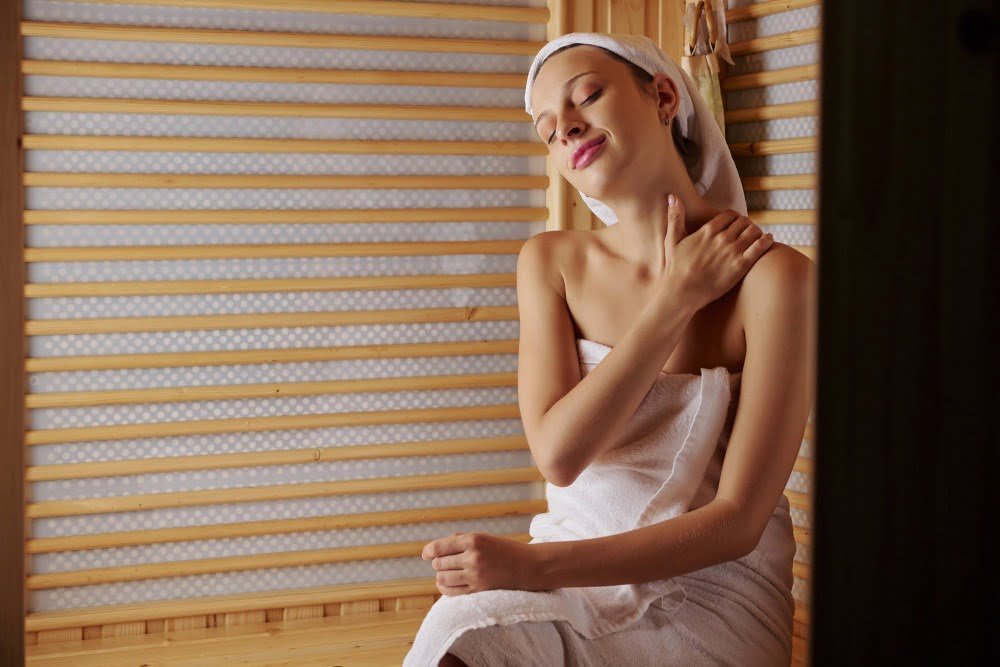
Sarvanga Swedana – Steam Sauna

A powerful new system for stress reduction and a healthier body! BENEFITS*: * Stimulate blood circulation* Improve sleep* Increase metabolism* Heal colds and prevent gas* Relax tired muscles and joints * Prevent heart disease * Eliminate fatigue* Provide a cardiovascular workout * Cleanse and nourish pores * Add radiance to your skin* Help condition your blood vessels* Burn fat* Relief muscle and joint pain* Flush out toxins* Alleviate respiratory problems* Allow greater penetration of the scalp – A good treatment for hair loss * Promote your body’s natural healing processes* Reduce stiffness and increase flexibility The Benefits of Sauna & Steam* The Steam Sauna provides an environment for overall mental and physical health. The combination of body perspiration, rest and rapid cooling stimulates circulation, reduces muscular and nervous tension, and heightens cognitive awareness. You’ll also enjoy a restful, sound sleep, which is worth its weight in gold to most of us in today’s fast-paced lifestyle! The unique benefits of sauna use have become increasingly popular in modern society; the physiology of perspiration includes how sweating helps rid the body of waste, regulates body temperature, and invigorates our largest organ, the skin. The metabolic effects of sauna and sweat baths, the positive influence of negative ions released by steam, and the more subtle spiritual and social benefits of the sauna experience all contribute to a heightened sense of well-being. Medical studies show that frequent sauna bathing helps reduce stress and keeps your circulatory system running smoothly. Other benefits to sauna and steam bathing:Provides a cardiovascular workout and helps condition the heart* The heart rate increases when the body is exposed to high temperature, which improves circulation. During a 10-20 minute sauna session, your heart rate increases by 50-75%. This provides the same metabolic result as physical exercise and the increased cardiac load is the equivalent to a brisk walk. There is a nominal effect on blood pressure because the heat also causes blood vessels in skin to expand to accommodate increased blood flow. Soothes and relaxes tired muscles*: Sauna bathing can also be beneficial as pre/post workout relaxation, help relieve allergies and sinus congestion, help relieve arthritic pain and reduce sunburn pain. Also revives tired and strained muscles after physical exertion. Aids in weight loss*: When combined with a healthy diet and regular exercise, sauna bathing can burn as many as 300 calories during each session, which is equal to running 2-3 miles. Spas and other such therapeutic facilities utilize saunas and steam baths in conjunction with massage to loosen fatty tissue and assist in the battle against cellulite. Cleanses skin*: By opening pores in your skin and flushing unhealthy toxins through sweating, the Steam Sauna will cleanse and beautify, establishing an overall more youthful appearance. It promotes a wondrous feeling of relaxation and a total mind and body experience, which no bath can duplicate. Creates artificial healing environment*: When taking a sauna, skin temperature rises to 40°C (104°F) and internal body temperature rises to about 38°C (100.4°F). Exposure to the high heat creates an artificial fever state. Fever is part of the body’s natural healing process. Fever stimulates the immune system resulting in increased production of disease fighting white blood cells, antibodies and interferon (an anti-viral protein with cancer fighting capability). Steam is an excellent therapy for respiratory problems, such as chest congestion, bronchitis, laryngitis and sinusitis*. * These statements and results are not evaluated by Food and Drug Administration and are not intended for use in the diagnosis, treatment and prevention or cure any physical or mental disease.
Non-Pharmacological Techniques For Vata Imbalance
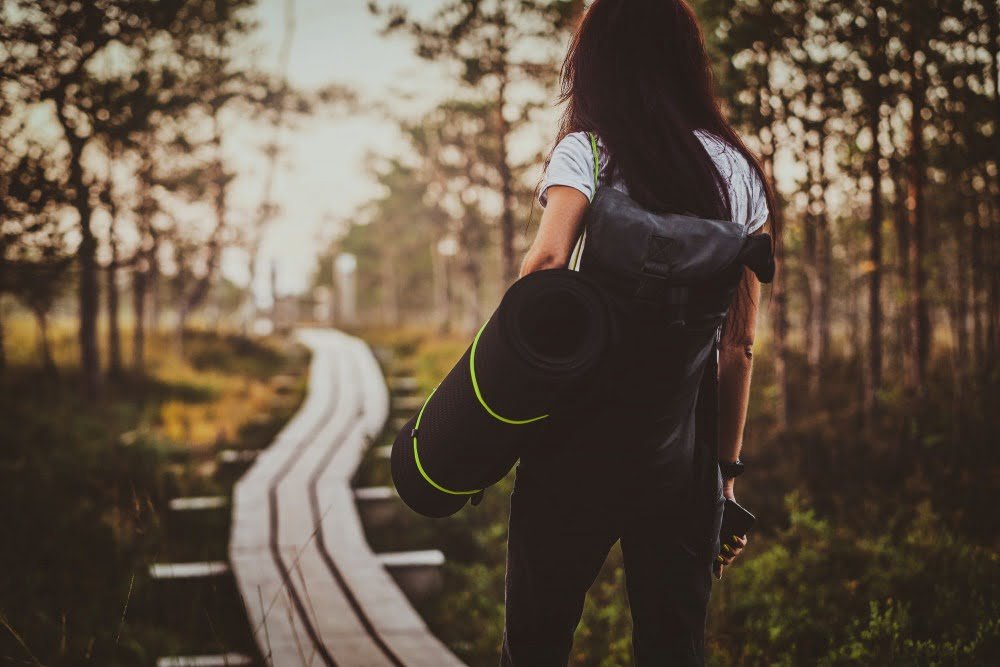
FAVOR Calming aromas such as lavender, neroli, bergamot, geranium and orange essential oils. Cultivate quiet, peace, and self-love. Defusing unwarranted fears and anxieties. Gentile exercise such as walking, yoga, tai chi etc., Moderate use of saunas, steam baths and hot tubs if possible weekly once or twice. Regular morning and evening meditation. Regular warm, gentle, soothing touch using warm sesame, almond or jojoba oils. Rhythmic, soft and slow music including classical music, Indian melodies, and chants. Tranquil colors used in clothing and the environment such as deep blue, orange, red, green, purple, magenta and yellow. Warm, nourishing foods abounding in the sweet, sour and salty tastes. AVOID / REDUCE Excessive consumption of raw vegetables and fruits or green leafy vegetables. Excessive indulgence in emotional events one after another. Excessive running, jumping, pedaling and other forms of fast-paced exercise created by the desire to lose weight. Excessive travel especially by airplane. Insufficient periods of quiet, contemplation and meditation. Not obtaining sufficient sleep. Performing work after dinner that causes mental or physical strain. Spending excessive time on the telephone or in front of a computer. Staying up late at night. Too much contact with friends and acquaintances.
Non-Pharmacological Techniques For Pitta Imbalance

FAVOR Cool and quiet environments Soft music, especially wind instruments Use of cooling colors including green, blue and white. Placement of fresh flowers in the home. Walking or sitting outdoors at night; looking at the moon. Using turmeric, fennel, dill and coriander but not other spices in excessive amounts. Cooling aromas: sandalwood, rose, gardenia, lotus, vetiver. Cultivating forgiveness, compassion and kindness. Enjoy foods, which are not piping hot and are bitter and astringent in taste. Take a short nap or rest in the afternoon. Recreational activity should balance work activity. Meditation on a regular basis. AVOID / REDUCE Anger and jealousy. Consumption of excessively spicy foods. Dealing with one’s own tardiness or that of others. Excessive ambition and competition. Excessive consumption of alcoholic beverages. Excessive criticism of self or others. Excessive exposure to the sun the in summer season. Excessive number of quarrels, disagreements, and arguments. Excessive time spent in uncertain or insecure relationships or partnerships. Insufficient consumption of pure, clean water Lack of time spent outdoors in nature, especially near lakes, rivers and fields. Wearing inappropriately warm clothing in the warm seasons.
Non Pharmacological Techniques For Kapha Imbalance
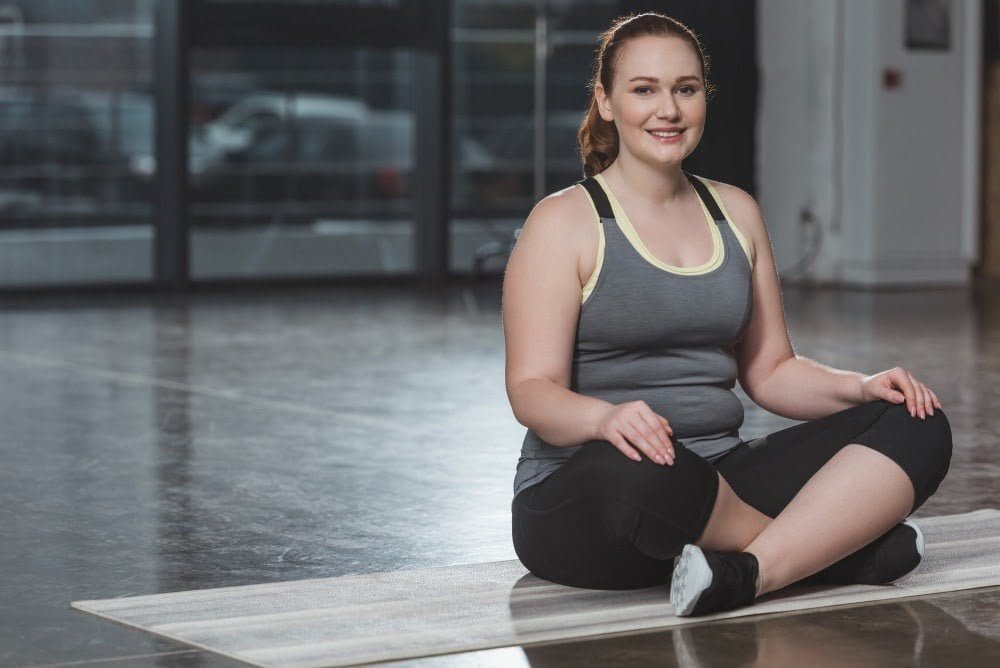
FAVOR Changing one’s routine from time to time. Exposure to stimulating colors including: red, gold, yellow, orange and purple. Fasting Hiking in the mountains, jogging, mountain biking Light penetrating aromas including: eucalyptus, sage, cedar, myrrh, camphor, peppermint, and rosemary. Massage the body regularly with appropriate oils and powders. Moderate exposure to wind. Outdoor activities in warm and dry climates Selfless service to others, generosity, non-attachment. Use foods with the pungent, bitter, and astringent tastes. Use of spices of all kinds in the diet. AVOID / REDUCE Attachment to people or objects. Dependence upon the affection of others for our peace of mind. Excessive sleep, especially in the late morning and during the spring season. Excessive exposure to damp conditions. Lack of exercise. Lack of spices in the diet. Over indulgence in cold foods and beverages. Over indulgence in sweet foods and beverages. Tendency toward excessive ownership and control of property and luxuries. Wearing clothing, which is damp or wet.
Influence of Circadian Rhythms on Health According to Ayurvedic Medicine

Ayurveda, the science of life, places a primary focus on the importance of circadian rhythms in one’s individual health and wellness. It is essential to maintain one’s health; one must follow the circadian rhythms in day-to-day life. As the father of modern medicine, Hippocrates, rightly said: “The natural force within each of us is the greatest healer of the disease.” Thomas Alva Edison said, “The doctor of the future will give no medicine, but will interest her or his patients in the care of human frame, in a proper diet, and in the cause and prevention of disease.” According to the World Health Organization, about 2/3rd of people in rural areas of India use Ayurveda to meet their primary health care. The Ayurvedic system of medicine is based on three bioenergetics (doshas) – Vata, Pitta, Kapha, and their influence very closely impacts health and disease manifestation. These doshas are composed of the five elements – Vata is made up of air and space elements; Pitta is of fire and water elements; Kapha is of water and earth elements. These five elements appear in human physiology as follows: the space elements represent in the body as channels of circulation, air element corresponds to the gaseous exchange of oxygen and carbon dioxide, breathing, etc.; fire elements can are observed in the human body as chemical reactions, enzymatic activity, and digestion; water elements represent fluids and ionic constituents, and earth element is providing structure to the entire physiology. According to Vedic scriptures, “Yada Pinde, Tatha Bramhande” — as is the cosmic body, so is the human body. Vata functions at the cellular level as functions of the nucleus and somatic level as all the neurological functions; it is responsible for movement, transportation, and communication. Pitta functions at the cellular level in the mitochondria and the somatic level as all hormonal and enzymatic actions; it is responsible for digestion, metabolism, transformation. Finally, Kapha functions at the cellular level functions of protoplasm and the somatic level, all secretory and immunological activities, and is responsible for structure, cohesion, and binding in the physiology. In the clinical application of doshas, Vata’s quality of dryness represents in the physiology as emaciation, broken or hoarse voice, insomnia, constipation, etc. Its light quality manifests as weight loss, irregular digestion. Vata’s mobile quality creates instability, constantly moving joints and eyes, a talkative nature. Its cold quality makes for intolerance to cold and poor circulation. Finally, Vata’s coarse and brittle quality creates rough, dry skin, brittleness of nails, and its non-slimy quality produces cracking joints (crepitus). The Pitta dosha qualities appear in physiology as follows. Slight oiliness creates smooth and oily skin; heat and warmth provide intolerance to heat and excessive hunger, thirst, skin problems, early wrinkles, and graying of hair. Pitta’s sharp quality provides physical strength and sharp digestion. Its sour and pungent quality provides less progeny, low sperm count. Pitta’s liquid and flowing quality creates a tendency of sweet Nature, loose bowel movements. Kapha dosha qualities manifest in physiology as follows. Heavy quality leads to a stable gait and a tendency to have a stocky build, weight gain. Its cold quality provides slow, mild hunger, thirst, and perspiration. Kapha’s soft quality leads to a pleasing appearance, smooth complexion. Oily quality creates unctuous skin and joints. Kapha’s sweet quality provides sweetness of speech and behavior, and its stable and steady rate makes for slowness to anger and slowness to initiate actions. Factors that aggravate and influence individual dosha imbalances Vata dosha is exacerbated by avoidance of tranquil, warm, moist places; eating dry, rough, light, frozen or leftover foods, eating on the run; excessive exposure to dry, cold, cloudy weather; excessive wakefulness (staying awake at night, insufficient sleep); fear, grief, worry, anxiety, agitation, anger, sadness, misery, mental shock; irregularity in daily and seasonal routines; mental or physical exertion (excessive work, exercise, traveling, speaking); never lubricating the body; watching too much television, etc. Pitta dosha is aggravated by anger, hatred, jealousy, passion; avoidance of cool, fresh, peaceful places; drinking excessive amounts of alcohol, smoking tobacco; excessive consumption of tomatoes, chilies, raw onions, sour, salty foods, and yogurt; engaging in frustrating activities; excessive exposure to heat, sunshine; intake of excess red meat and salted fish; using drugs, especially cocaine or speed. Kapha dosha is aggravated by avoidance of vital, warm, dry areas; eating dessert every day, especially rich ones such as cheesecake or ice cream, overeating; excessive rest and sleep (sleeping in the daytime, after meals or too much); heavy, buttery, cold, sweet, sour, saline, slimy food; insufficient mental and physical exercise or work; living on potato chips & beer; using drugs, especially sedatives & tranquilizers for recreation purpose. According to Ayurvedic Medicine – the human frame is classified based on the permutation and combination of predominant doshas, such as – Vata dosha, Pitta dosha, Kapha dosha, Vata Pitta, Vata Kapha, Pitta Vata, Pitta Kapha, Kapha Vata, Kapha Pitta, and Tridosha constitutions. The characteristics of an individual based on dosha predominance are as follows. Vata constitution – light, thin build; acts quickly; averse to cold weather and foods; irregular digestive power, appetite; quick to learn, quick to forget; tendency to worry; constipation; vivacious, always moving; light, interrupted sleep, about 6 hours; tends to fatigue, less physical stamina; dry skin; prominent joints, tendons, and veins. Pitta constitution exhibit average build; acts with medium speed; averse to hot weather; strong digestion, strong appetite; medium time to learn; medium memory; tends to anger, regular elimination, some loose or frequent stools, sound sleep, medium length, enterprising, sharp, reddish complexion, moles and freckles, early graying. Kapha constitution is solid, heavier build, slow, methodical, averse to damp weather, sluggish digestion, mild appetite, slow to learn, slow to forget; tranquil, steady, regular elimination, heavy, long sleep, stamina, strength, seek emotional comfort through eating, oily, smooth skin, wake up slowly, lie in bed a long time, and often require coffee in the morning. The influence of circadian rhythms through the doshas Benjamin Franklin said – “Early to bed and early to
Garshana (Self Dry Massage)

Garshana is a dry massage done with raw silk gloves, mittens, or a loofa sponge. All of these items are slightly rough in texture. The massage requires only 3-5 minutes and is best done just before doing your daily oil massage and morning shower or bath. Always remember to use vigorous strokes as much as possible except where not indicated. Procedure: Put on the silk gloves or pick up the loofa. Sit on a chair or on the floor. Massage the neck and throat areas (up and down), face (gently with circular motion), ears and head (free style). Massage the shoulders, arms, elbows, forearms and wrists in one continuous, flowing motion alternating up and down and circular strokes over the long bones and joints respectively. The abdomen should be massaged vigorously first in a clockwise direction, then diagonally from the flanks towards the groin. Next, massage the lower and middle back areas as far as you can reach using up and down strokes. Now stand up and massage the hips, waist and buttocks using a combination of circular and up and down strokes. Massage longer in the areas of cellulite, fat accumulation, or where you sense a stagnation of energy. Massage feet and legs. Use moderately vigorous, moderately quick up and down strokes over the long bones of the body (i.e. tibia, fibula, femur etc.,). Start with approximately 15-20 strokes over each area and gradually increase over a week to 40-50. Use circular strokes over the joints – half in the clockwise direction and half in the anti clock wise direction. Benefits: Reduces excessive imbalanced Kapha or waste product of the body. Promotes the removal of adipose tissue (fat) from the tissues. Promotes circulation in the lymph and skin capillaries. Helps to reduce cellulite. Loosens toxins and impurities from the tissues. Makes the body lightweight. Improves circulation. Precautions: Avoid when you are suffering with cardio vascular problems, such as hypertension, angina etc., Avoid vigorous abdominal massage during menstruation and if pregnant.
Ayurvedic Lunch Box
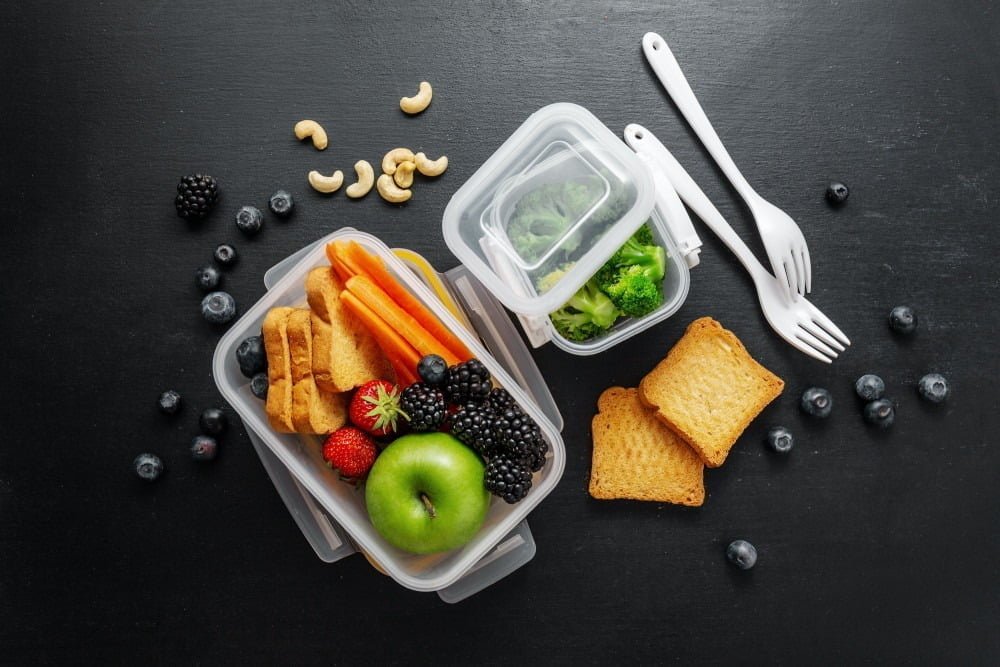
People who want to enjoy healthy lunch at work to avoid restaurants and cafeterias. This Ayurvedic lunch box provides sufficient amount of proteins, fiber, vitamins, fats, fresh vegetables, digestive spices for maintaining good health. You can modify the recipe according to your taste with different fresh vegetables and spices. Everyday you can enjoy new taste at your work during lunchtime. You can save lot of time and fresh, warm food you can enjoy. Ingredients: 1/4 cup yellow split mung beans, or small red lentils – well washed 1/4 cup basmati rice or par boiled rice well washed – less if watching your weight 1-1/2 cup fresh vegetables according to taste (cut into small pieces to fit into thermos) Whole or ground spices to taste (salt, pepper, cumin, ginger, mustard seeds, turmeric, etc.) or use Vata or Pitta or Kapha churna (Spice mixtures) (These spices (churnas) are available with us. 1 tablespoon ghee 2 cups boiling water Put the water to boil in a tea kettle while you briefly sauté the spices in a saucepan for a few seconds in the ghee. (See notes below for more information about cooking spices.) Add the mung beans, rice and chopped vegetables. Cover with the boiling water, and boil for five minutes. While still boiling hot, quickly pour the mixture into a one-liter or one-quart thermos (you may need to spoon it in, but don’t let the mixture cool). Close the thermos quickly and leave it closed for about four hours. The meal will cook and be ready to eat after four hours in the thermos. Notes: You may need to experiment with amounts and cooking times to get the best result. The exact amount of cooking time depends on the time lapse between cooking and eating and how well your thermos retains heat. If the time between cooking and eating is 5 to 6 hours, then only two minutes of cooking time may be required. If the time lapse is 2 to 3 hours, then five to ten minutes cooking time may be required. Since mung dal and rice swell up substantially, you will need a generous amount of water to get to get the proper consistency. Heavier vegetables like carrots and beets need one to two more minutes of cooking with the rice and dal. Lighter vegetables like spinach and leafy greens can be added just before pouring the whole mixture into the thermos. You can substitute beans and lentils for the mung beans. Heavier lentils and beans will need considerably more cooking time. Instructions for frying the spices: Do not overheat the ghee; it should not be smoking hot. Begin with whole spices, such as fresh chopped ginger, black pepper, cumin seeds and mustard seeds or use Churna (spice mixture). Fry them until they turn light brown or until the mustard seeds pop. Then add the ground spices, such as ginger, cumin, turmeric, cardamom and pepper, and sauté just a few seconds. A spice is generally used either whole or ground, not both ways, in one dish.
Analyze Your Mental Constitution (Manas Prakriti)

Do this questionnaire to analyze your state of mind. Please circle which is applicable to your mental constitution. Add up the number of each quality and give yourself a score. Ayurveda aims at moving the mind from Tamas to Rajas and then to Sattva. That is from an ignorant physical state, to one of vitality and expression, then to peace and enlightenment. A person in a tamasic state requires Rajasic activity to break up the inertia; a person in a Rajasic state requires satvic activity to calm them. A satvic person is content. Factors Sattva Rajas Tamas Diet Vegetarian Some meat Heavy meat eater Drugs, Stimulants Never Occasionally Frequently Sensory impressions Calm, pure Mixed Disturbed Sleep Little Moderate Much Sexual activity Low Moderate High Control of Senses Good Moderate Weak Speech Calm Agitated Dull Cleanliness High Moderate Low Work Selfless Personal Goals Lazy Anger Rarely Sometimes Often Fear Rarely Sometimes Often Desire Little Some Much Pride Modest Ego Vain Depression Never Some Often Love Compassion Personal Lacking Violence Never Sometimes Often Money Needs little Accumulates Spends everything Contentment Always Some Never Forgiveness Forgives With effort Grudges Concentration Good Some None Memory Good Moderate Poor Will Power Strong Variable Weak Truthfulness Always Often Rarely Honesty Always Sometimes Rarely Peace of Mind Generally Sometimes Rarely Creativity High Medium Low Spiritual Study Daily Sometimes Never Prayer, Meditation Daily Sometimes Never Service Much Some None TOTAL