

Description
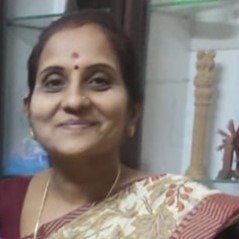
Dr. Shivaranjani Jagjivanbhai Kantharia is an Associate Professor and Head, Dept. of Roga Nidan evam Vikriti Vigyana at J.S. Ayurveda College, Nadiad, Gujarat, with 9.5 years of teaching experience. She holds an MD (Kayachikitsa) and has submitted her PhD thesis on Sthaulya (obesity) management. She’s published 15+ research articles, 5 book chapters, presented 25+ conference papers, and attended 100+ seminars/webinars. She’s received multiple awards, including the Young Researcher Award (Milan, 2016), International Best Researcher Award (2023), and a NPTEL Gold Medal in Stress Management. She serves as editor/reviewer for several journals, has organized international conferences and CME programs, and completed 25+ FDPs/MOOCs from institutions like OpenWHO and NITTTR.
Mental Health and Sattva: Herbal and Lifestyle Interventions for Anxiety and Depression
Overview
Ayurveda views mental health through the dynamic interplay of Sattva, Rajas, and Tamas, together with the condition of the mind, senses, body, Agni, Ojas, and individual Prakriti. From this perspective, psychological well-being is supported not only by addressing symptoms but also by cultivating Sattva—the qualities of clarity, balance, awareness, resilience, and emotional stability.
This presentation explores Ayurvedic approaches to anxiety and depression through the concepts of Manas, Manovaha Srotas, Sattva, Rajas, Tamas, Vata, Ojas, and Prajnaparadha. It examines how individualized lifestyle practices, daily routines, yoga, pranayama, meditation, sleep, nutrition, social connection, and traditionally used Ayurvedic herbs may contribute to mental and emotional well-being.
Particular emphasis will be placed on integrating traditional Ayurvedic approaches with contemporary mental-health perspectives, while recognizing the importance of appropriate assessment, evidence-based care, and collaboration with qualified mental-health professionals.
Key Areas
- Ayurvedic understanding of Manas and mental well-being
- Sattva, Rajas, and Tamas and their influence on mental health
- Relationship between Prakriti, Vikriti, Vata, and psychological imbalance
- Manovaha Srotas and Ayurvedic perspectives on emotional health
- Anxiety and depression through an Ayurvedic framework
- The role of Agni, Ama, Ojas, and overall vitality
- Prajnaparadha and behavioral patterns affecting mental well-being
- Dinacharya and lifestyle practices for emotional balance
- Yoga, pranayama, meditation, mindfulness, and Sattva-promoting practices
- Importance of sleep, nutrition, exercise, nature, and social connection
- Traditionally used Ayurvedic herbs such as Brahmi, Ashwagandha, Jatamansi, Shankhpushpi, and Amalaki
- Rasayana approaches for mental resilience and healthy aging
- Individualized approaches based on Prakriti and clinical presentation
- Integrating Ayurveda with contemporary mental-health care
- Evidence, limitations, safety, contraindications, and herb–drug interactions
- Importance of professional evaluation for moderate-to-severe depression, anxiety, and mental-health emergencies
Learning Objectives
At the conclusion of this presentation, participants will be able to:
- Explain the Ayurvedic concepts of Sattva, Rajas, and Tamas and their relevance to mental health.
- Describe Ayurvedic perspectives on anxiety and depression and their relationship to Vata and Manas.
- Discuss the potential role of selected Ayurvedic herbs in supporting mental and emotional well-being.
- Identify lifestyle practices that may promote Sattva, resilience, emotional balance, and healthy routines.
- Understand how yoga, pranayama, meditation, sleep, nutrition, and daily routine can complement mental-health care.
- Recognize safety considerations, including herb–drug interactions and situations requiring conventional mental-health evaluation.
- Develop an integrative framework that respects both Ayurvedic principles and contemporary mental-health standards.