Description
Schedule Your Initial Ayurvedic Wellness Consultation Here
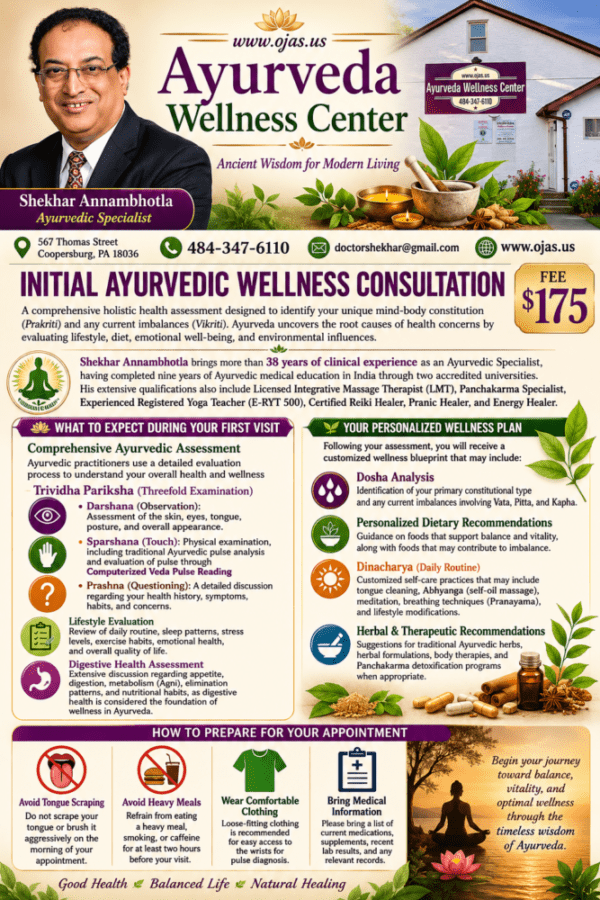
An Initial Ayurvedic Wellness Consultation is a comprehensive holistic health assessment designed to identify your unique mind-body constitution (Prakriti) and any current imbalances (Vikriti). Rather than focusing solely on symptoms, Ayurveda seeks to uncover the root causes of health concerns by evaluating your lifestyle, diet, emotional well-being, and environmental influences.
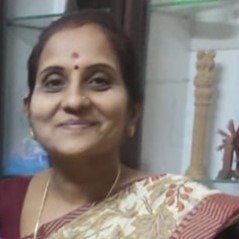
Shekhar Annambhotla brings more than 38 years of clinical experience as an Ayurvedic Specialist, having completed nine years of Ayurvedic medical education in India through two accredited universities. His extensive qualifications also include Licensed Integrative Massage Therapist (LMT), Panchakarma Specialist, Experienced Registered Yoga Teacher (E-RYT 500), Certified Reiki Healer, Pranic Healer, and Energy Healer.
WHAT TO EXPECT DURING YOUR FIRST VISIT
Comprehensive Ayurvedic Assessment
Ayurvedic practitioners use a detailed evaluation process to understand your overall health and wellness:
- Trividha Pariksha (Threefold Examination)
- Darshana (Observation): Assessment of the skin, eyes, tongue, posture, and overall appearance.
- Sparshana (Touch): Physical examination, including traditional Ayurvedic pulse analysis and evaluation of pulse through Computerized Veda Pulse Reading
- Prashna (Questioning): A detailed discussion regarding your health history, symptoms, habits, and concerns.
- Lifestyle Evaluation
Review of your daily routine, sleep patterns, stress levels, exercise habits, emotional health, and overall quality of life. - Digestive Health Assessment
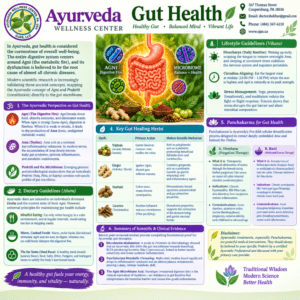
Extensive discussion regarding appetite, digestion, metabolism (Agni), elimination patterns, and nutritional habits, as digestive health is considered the foundation of wellness in Ayurveda.
YOUR PERSONALIZED WELLNESS PLAN
Following your assessment, you will receive a customized wellness blueprint that may include:
- Dosha Analysis
Identification of your primary constitutional type and any current imbalances involving Vata, Pitta, and Kapha. - Personalized Dietary Recommendations
Guidance on foods that support balance and vitality, along with foods that may contribute to imbalance. - Dinacharya (Daily Routine)
Customized self-care practices that may include tongue cleaning, Abhyanga (self-oil massage), meditation, breathing techniques (Pranayama), and lifestyle modifications. - Herbal & Therapeutic Recommendations
Suggestions for traditional Ayurvedic herbs, herbal formulations, body therapies, and Panchakarma detoxification programs when appropriate.
HOW TO PREPARE FOR YOUR APPOINTMENT
For the most accurate Ayurvedic assessment, please follow these guidelines:
- Avoid Tongue Scraping
Do not scrape your tongue or brush it aggressively on the morning of your appointment, as tongue coating provides valuable diagnostic information. - Avoid Heavy Meals
Refrain from eating a heavy meal, smoking, or consuming caffeine for at least two hours before your visit to support accurate pulse assessment. - Wear Comfortable Clothing
Loose-fitting clothing is recommended to allow easy access to the wrists for pulse diagnosis. - Bring Medical Information
Please bring a list of current medications, supplements, recent laboratory results, and any relevant medical records.
Begin your journey toward balance, vitality, and optimal wellness through the timeless wisdom of Ayurveda.
During a personalized consultation, I work with each client to analyze his or her unique ayurvedic constitution (Prakriti), determine any imbalances in the three biological rhythms or forces according to ayurveda (Vata, Pitta, Kapha), and educate clients in ayurvedic living.
Clients working with Dr. Shekhar for the first time can expect the following:
Each client fills out a health history questionnaire and self-evaluation of his or her present health condition. During an initial consultation, we discuss the questionnaire and evaluation and address any questions or concerns. I use the ancient art of ayurvedic pulse technique to detect the causes of any deep-rooted imbalances in each client’s physiology. I then educate my client on holistic ayurvedic approaches to health, with individualized guidance according to his or her constitution and any Vata, Pitta and Kapha imbalances.
In Ayurveda, by taking a pulse examination, energy imbalances such as the three Doshas (Vata, Pitta, and Kapha) can be analyzed. The ayurvedic pulse also claims to determine the balance of prana, tejas, and ojas.
Ayurvedic pulse measurement is done by placing index, middle and ring finger on the wrist. The index finger is placed below the wrist bone on the thumb side of the hand (radial styloid). This finger represents the Vata dosha. The middle finger and ring finger are placed next to the index finger and represents consequently the Pitta and Kapha doshas of the client. Pulse can be measured in the superficial, middle, and deep levels thus obtaining more information regarding energy imbalance of the client.
Any of the following may be suggested for healthier living:
- Individualized dietary and herbal food supplement recommendations
- Breathing exercises (Pranayama)
- Hatha Yoga exercises (Asanas)
- Meditation techniques
- Gentle home detoxification techniques
- Integrated bodywork and massage
- Pranic Healing / Reiki Healing
- Physiological detoxification techniques (Panchakarma)