Description
45 minutes : $175 – Initial
Follow-up session – 30 minutes $100
Meditation is described as a state of concentrated attention on some object of thought or awareness. Our effortless therapeutic meditation and relaxation techniques are advised for individuals according to their doshic imbalances. Meditation techniques have been practiced for over 5, 000 years and are one of the components of ayurvedic healing in bringing the mind to a state of balance. Meditation has also become a mainstream of Western culture and can be used for therapeutic benefit, personal development, and to focus the mind.
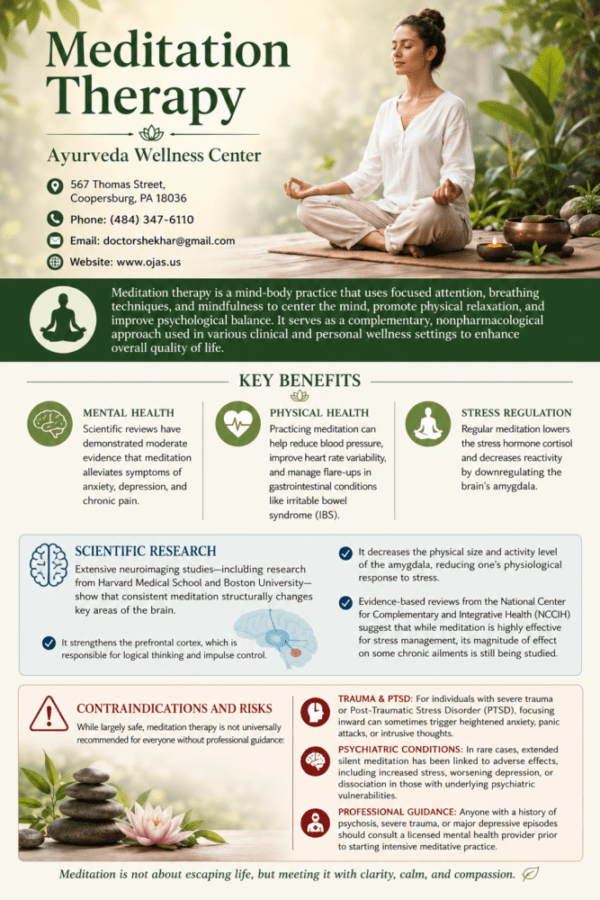
Meditation therapy is a mind-body practice that uses focused attention, breathing techniques, and mindfulness to center the mind, promote physical relaxation, and improve psychological balance. It serves as a complementary, nonpharmacological approach used in various clinical and personal wellness settings to enhance overall quality of life.
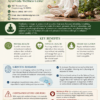
Key Benefits
- Mental Health: Scientific reviews have demonstrated moderate evidence that meditation alleviates symptoms of anxiety, depression, and chronic pain.
- Physical Health: Practicing meditation can help reduce blood pressure, improve heart rate variability, and manage flare-ups in gastrointestinal conditions like irritable bowel syndrome (IBS).
- Stress Regulation: Regular meditation lowers the stress hormone cortisol and decreases reactivity by downregulating the brain’s amygdala.
Scientific Research
Extensive neuroimaging studies—including research from Harvard Medical School and Boston University—show that consistent meditation structurally changes key areas of the brain.
- It strengthens the prefrontal cortex, which is responsible for logical thinking and impulse control.
- It decreases the physical size and activity level of the amygdala, reducing one’s physiological response to stress.
- Evidence-based reviews from the National Center for Complementary and Integrative Health (NCCIH) suggest that while meditation is highly effective for stress management, its magnitude of effect on some chronic ailments is still being studied.
Contraindications and Risks
While largely safe, meditation therapy is not universally recommended for everyone without professional guidance:
- Trauma & PTSD: For individuals with severe trauma or Post-Traumatic Stress Disorder (PTSD), focusing inward can sometimes trigger heightened anxiety, panic attacks, or intrusive thoughts.
- Psychiatric Conditions: In rare cases, extended silent meditation has been linked to adverse effects, including increased stress, worsening depression, or dissociation in those with underlying psychiatric vulnerabilities.
- Professional Guidance: Anyone with a history of psychosis, severe trauma, or major depressive episodes should consult a licensed mental health provider prior to starting intensive meditative practices